




RFK, Jr., Questions Safety of Approved RSV Shots for Babies
FDA officials are newly scrutinizing several approved therapies to treat RSV in babies despite the fact that these shots were shown to be safe in clinical trials
Foremniakowski/Getty Images
U.S. health officials are reportedly questioning the safety of several approved therapies to treat respiratory syncytial virus (RSV) in babies.
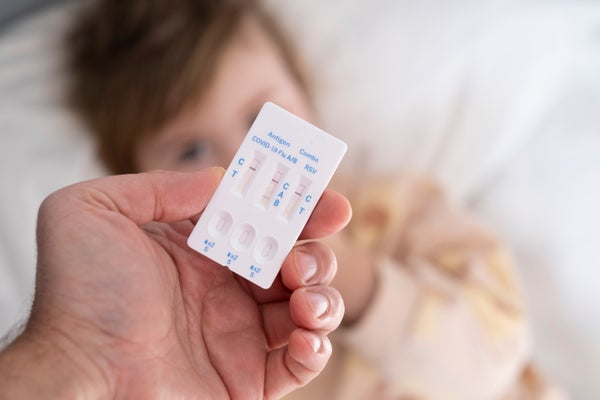
The treatments—specifically, Sanofi and AstraZeneca’s drug Beyfortus and Merck’s drug Enflonsia—are shots that are given to infants in the first months of life to protect against complications from RSV, which is the number one cause of hospitalization in babies in the U.S.
RSV typically hits in winter and can cause severe disease and even death in young babies and older adults. The Centers for Disease Control and Prevention recommends that pregnant people get an RSV vaccine between 32 and 36 weeks of pregnancy during the period from September through January.
On supporting science journalism
If you’re enjoying this article, consider supporting our award-winning journalism by subscribing. By purchasing a subscription you are helping to ensure the future of impactful stories about the discoveries and ideas shaping our world today.
The scrutiny marks the latest move by federal health agencies to question established vaccines and medications under Secretary of Health and Human Services Robert F. Kennedy, Jr., a noted vaccine skeptic. It comes days after a panel of influential vaccine advisors, all of whom were handpicked by Kennedy, voted to rescind the recommendation for a universal birth dose of the hepatitis B vaccine, despite what experts decried as a lack of evidence.
According to Reuters, FDA officials started investigating the RSV therapies over the summer. Vaccine skeptics have claimed, without evidence, that the shots could increase the risk of seizures in some infants.
In 2023 the FDA approved Beyfortus, a type of antibody drug, for babies born during or entering their first RSV season and in children up to two years old who are vulnerable to severe RSV. The agency approved Enflonsia, a similar drug, in June 2025. As with all drugs approved by the FDA, these medications were extensively tested in clinical trials for safety and efficacy before they were given the green light.
It’s Time to Stand Up for Science
If you enjoyed this article, I’d like to ask for your support. Scientific American has served as an advocate for science and industry for 180 years, and right now may be the most critical moment in that two-century history.
I’ve been a Scientific American subscriber since I was 12 years old, and it helped shape the way I look at the world. SciAm always educates and delights me, and inspires a sense of awe for our vast, beautiful universe. I hope it does that for you, too.
If you subscribe to Scientific American, you help ensure that our coverage is centered on meaningful research and discovery; that we have the resources to report on the decisions that threaten labs across the U.S.; and that we support both budding and working scientists at a time when the value of science itself too often goes unrecognized.
In return, you get essential news, captivating podcasts, brilliant infographics, can’t-miss newsletters, must-watch videos, challenging games, and the science world’s best writing and reporting. You can even gift someone a subscription.
There has never been a more important time for us to stand up and show why science matters. I hope you’ll support us in that mission.


